

Grow Your Own Veggies at Home: A Step-by-Step Guide
Each seed variety will have a suggested planting guideline, to indicate the distance for spacing and depth of planting into the soil. Make sure you have a good supply of seeds, seed potting compost, and seed trays, or get your plug plants ordered early. Take inspiration from our expert gardening tips for beginners to know what and where to plant, along with our pick of some of the best ideas for any garden space, whether it's a small city plot or a sprawling backyard. The trick is to grow small amounts of different vegetable varieties that offer big rewards such as cut-and-come-again salad leaves, chillies, leafy greens like spinach and chard, and tomatoes.
Indoor gardening supplies
These vegetables are tough, adaptable, and can grow in various weather conditions. Zucchini is one of the easiest vegetables to grow because it produces tons of fruit with little effort. Carrots are super easy to grow as long as you have loose, Vegetables at Home well-drained soil.
Find all our tips to grow organic beans at home here:

This seed should be taken to your local grocery store or garden center. The water will remain large enough and still will not saturate the soil. Add enough organic matter for whatever you start with so that the modified soil is neither sandy nor compact. In addition, you can relax by knowing that your vegetables will always be freshly picked and pesticide-free. Homegrown food eliminates the need for transport, reduces plastic waste, and promotes biodiversity in your garden.
- Home gardens are a great money-saving hack if you have a penchant for gardening.
- Or maybe the first flakes of snow just fell but you’re not quite ready to put away your gardening gloves yet.
- However, the plants themselves are slow to mature, taking at least 80 days from seed to fruit.
- Hayes-Hodge’s go-to is Sungold cherry tomatoes, a disease-resistant hybrid with flawless flavor.
- The hotter your area gets in the summer months, the more quickly you’ll see the effects of dehydration, and the more vital watering will be for your garden to thrive.
Over a few years you will see patterns that help you time sowing with far less guesswork. Long-season crops such as melons or large pumpkins need more frost-free days, while leafy greens or radishes finish faster and fit into short gaps. Here is the simple arc your garden will follow year after year. This guide walks through the steps real backyard gardeners use, backed by practical advice from horticulture experts. You just need a patch of ground or a few raised beds, a plan, and the patience to learn from each season. With a bit of planning, good soil, and regular care, anyone can produce fresh, healthy food at home.
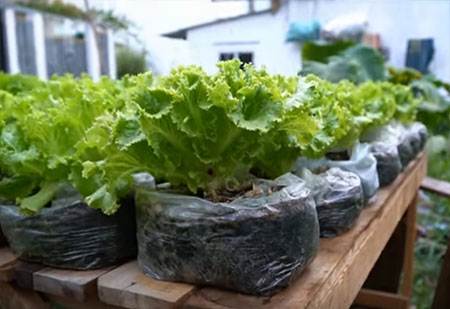
Always water your plants thoroughly until water drains freely out the bottom, then water again once the first inch of soil feels dry. Indoor-grown vegetables benefit from organic liquid or granular fertilizers throughout the growing season. Just make sure your potting mix doesn’t contain topsoil or soil from your garden, which is much too dense for a container-grown plant and can suffocate its roots. (That’s why I recommend them as a shade plant for a vegetable garden.) That said, more light helps the plants grow more quickly so you don’t have to wait a few extra weeks before you can harvest. Sow seeds every 2 weeks for a continuous harvest of roots and leaves (which are edible too).
'No more shoe stress – I've finally found the perfect solution for
Squash and tomato plants benefit from extra watering while they’re producing fruit. A soil that’s too sandy is prone to let moisture escape, causing plants to shrivel away. If you’ve skimped on preparing soil for your crops, it will be evident when you water.
What are the easiest vegetables to grow in pots?
Do you dream of walking through your own kitchen garden with baskets full of delicious food you grew yourself? Both the stems and leaves are edible and jam-packed with Vitamins A, K, and C, plus magnesium and lots of antioxidants (including beta-carotene). Those beautiful, glossy leaves are full of antioxidants, vitamins, and tons of fiber. Once you know how to grow one of these herbs, you pretty much know how to grow the others. Picking leaves for tonight’s dinner actually helps prevent pests, deters disease, and even encourages more leaf production.
- Once you’ve got your plants ready to go, set them up in front of a sunny window.
- If a plant falls prey to a disease, promptly remove it and throw it in the trash; don’t add sick plants to your compost pile.
- However, the best way to go is to grow what you and your family like to eat.
- Around the Fourth of July, you should scout for small tomato or tobacco hornworms because the only thing they love more than tomatoes is peppers.
- You don’t want to constantly reach across a giant five-foot-wide bed and hurt your back, but you also want to maximize the space.
One of the reasons radishes are so easy to grow is that they don’t typically struggle with pests, and they are somewhat frost tolerant. ‘These spicy little roots germinate reliably when seeded directly in the ground and are harvestable in a month or less in most conditions,’ says Matthew Geldin, head farmer at Farmscape. Always check the plant's individual requirements and whether that complements the level of sun in your backyard, and the space you have available. ‘However, leafy vegetables can tolerate less than six hours.’ The back of most seed packets will have some general guidance about when to plant.’